The China International Science and Technology Promotion Association hosted a seminar in September 2026 on the group standard “Polyurethane Vibration Isolation Pads for Building Foundations,” marking the formal entry of this widely used yet long-unregulated product category into the standardization process. Meanwhile, domestic enterprises are accelerating commercialization in this field, expanding from rail transit into buildings, energy and power, and other application scenarios.
Standards Gap Creates Demand for Regulation
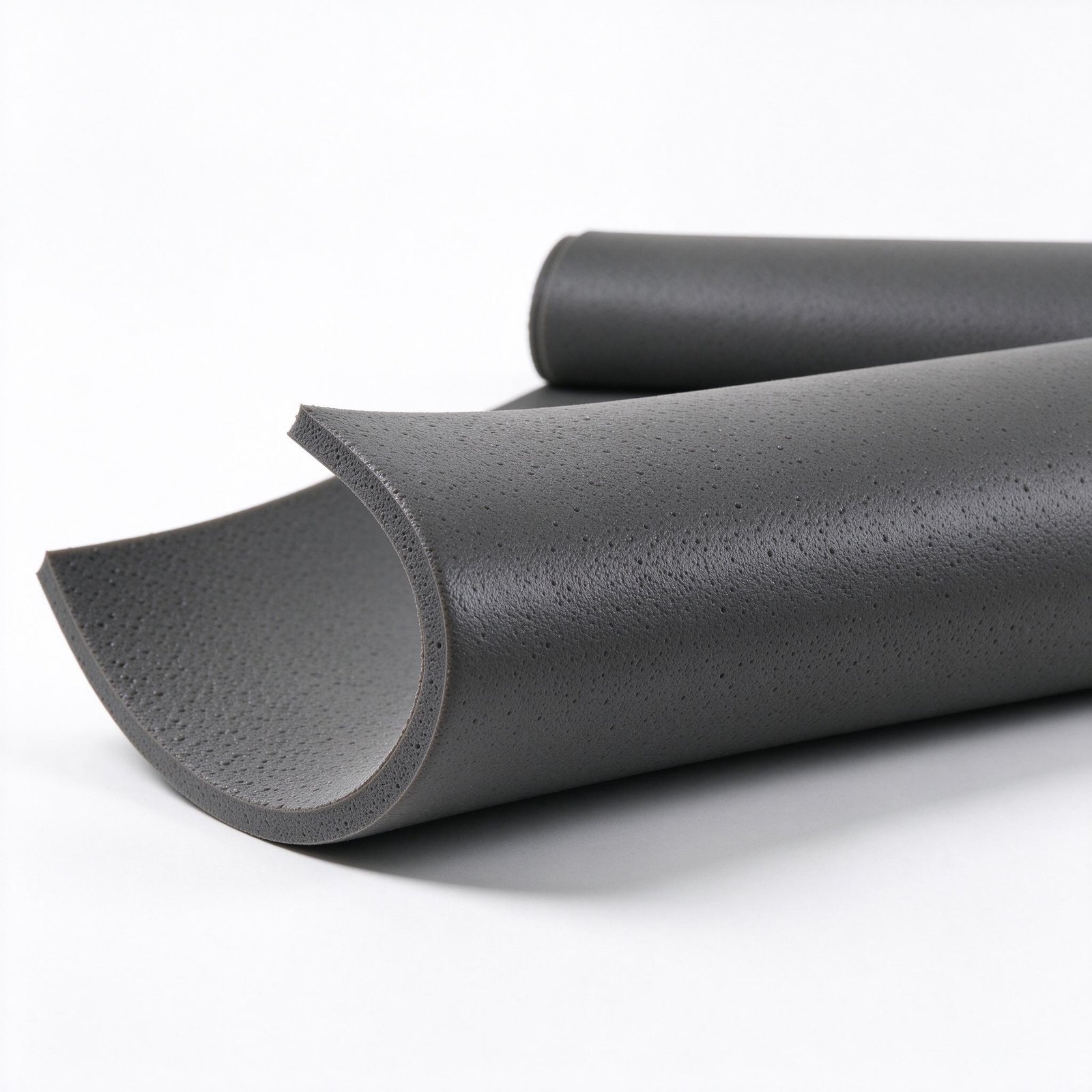
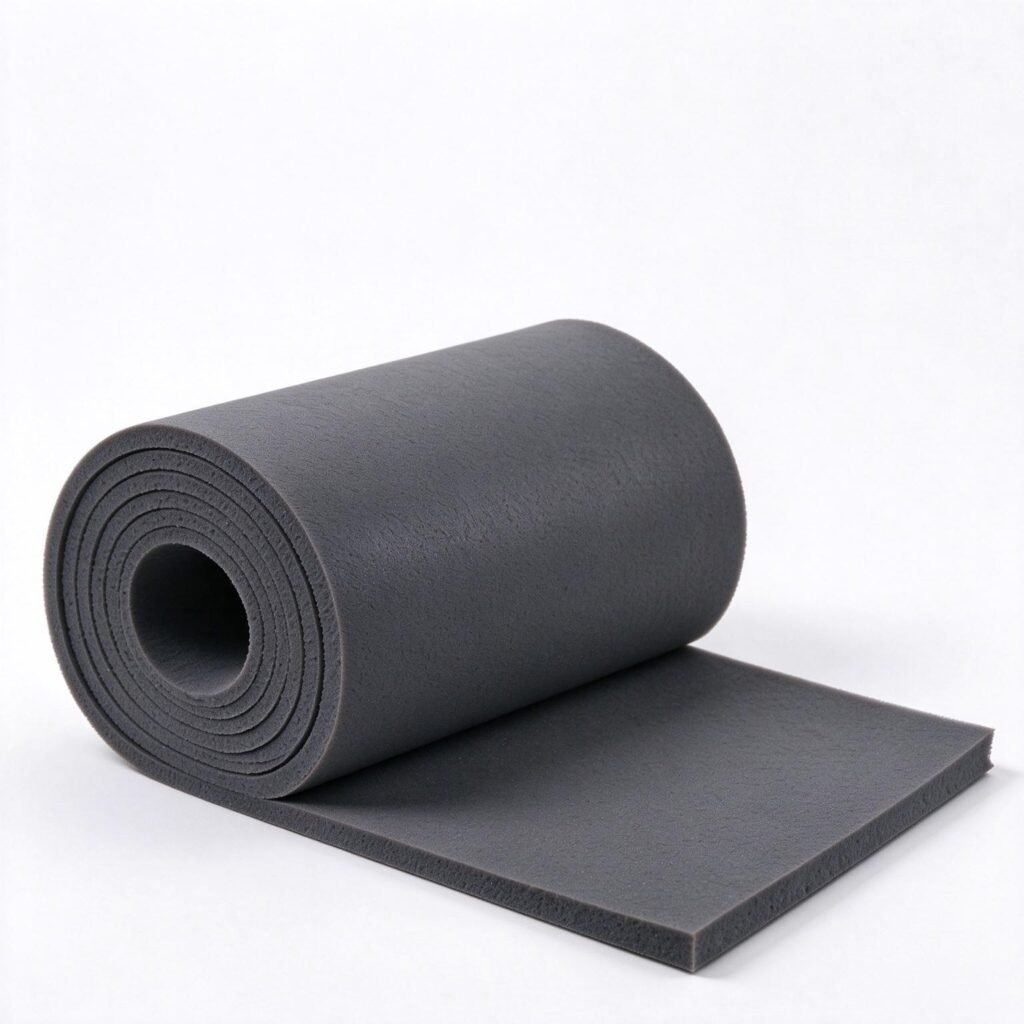
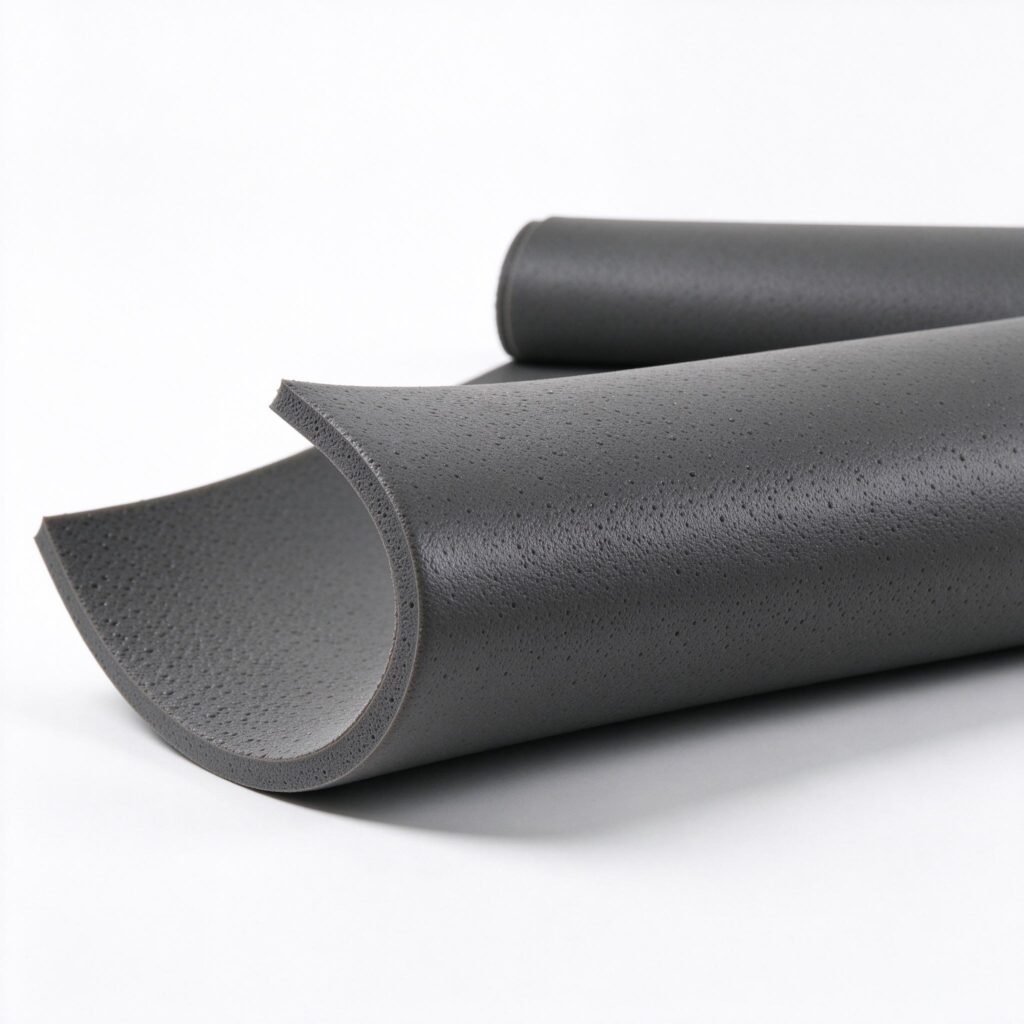
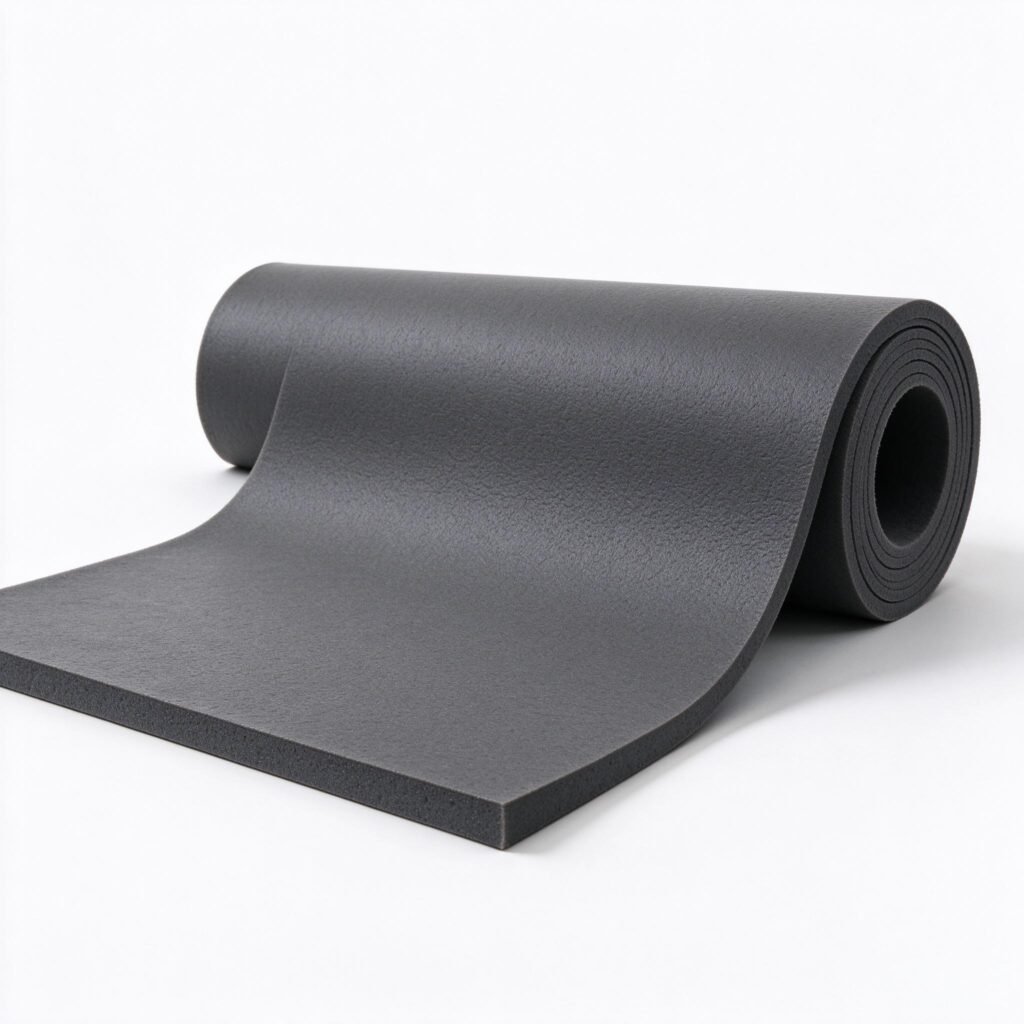
Polyurethane vibration isolation pads perform a critical function in building foundation engineering—isolating vibration and reducing structural noise—and are widely used in civil buildings, industrial plants, basement equipment foundations, and vibration protection for buildings along rail transit lines. However, the product has long lacked a unified group standard in China, resulting in inconsistent raw material parameters, production specifications, installation procedures, and testing methods. Products and construction data from different suppliers vary considerably, lacking a basis for comparability and mutual recognition.
At the seminar, the drafting group discussed the preliminary standard clause by clause, with experts offering revisions from their respective professional perspectives. The goal is to produce a high-quality draft for public comment within the year. Behind the standard-setting effort is genuine growth in building vibration control demand: as urban building density increases and transportation networks become more complex, the impact of foundation vibration on structural stability and occupancy comfort is receiving growing attention. Polyurethane pads, with their excellent elasticity, aging resistance, and ease of installation, have become a core material option for foundation and equipment base vibration isolation.
Domestic Enterprises Accelerate Multi-Scenario Deployment
While standards development proceeds, domestic manufacturers of polyurethane vibration isolation pads are clearly accelerating commercialization. Beijing Jiuzhou Yigui Environmental Technology Co., Ltd. disclosed in its 2026 action plan that in 2025 the company delivered over 10,000 square meters of polyurethane vibration isolation pad products in the rail sector across Tianjin, Shenzhen, Urumqi, and other locations. It also achieved a key breakthrough in the building sector by winning the Suzhou East Station project, marking a “from zero to one” leap in building vibration control applications for the product.
On the capacity front, Jiuzhou Yigui’s intelligent production and R&D base for polyurethane new materials in Guangdong entered trial production at the end of 2025 and completed relocation and commissioning. The facility focuses on mass production of microcellular polyurethane elastomer sheets and serves the Guangdong-Hong Kong-Macao Greater Bay Area market. The company simultaneously maintains the northern base’s functions in technology R&D and standard-setting, forming a north-south division of capacity. The intent behind this layout is clear: as building and rail vibration control markets demand increasingly differentiated product specifications and delivery timelines, organizing production near regional markets helps shorten response cycles.
Rail Transit Remains the Foundation
In terms of application structure, rail transit remains the most stable source of demand for polyurethane vibration isolation pads. Global market research data shows that in 2025, worldwide sales of polyurethane vibration damping pads reached approximately 385 million units, with an average selling price of $0.58 per unit and an industry gross margin of around 30%. Although unit prices are low, as fundamental functional components in industrial vibration control systems, demand is closely linked to activity in construction machinery, rail construction, and automated production lines.
International suppliers are also continuing to invest in this field. Austrian vibration isolation specialist Getzner Werkstoffe opened a new plant in Baramati, India, in April 2026, dedicated to producing polyurethane elastomer baseplate pads for slab-track systems. The company said the new facility aims to shorten delivery routes to the Indian market, and its systems have been applied in the Agra Metro project. This investment echoes domestic enterprises’ expanding rail-sector deliveries, jointly pointing to a judgment: rail transit construction in the Asia-Pacific region remains in a window of capacity absorption.
From “Having Products” to “Having Standards”
The core contradiction facing the polyurethane vibration isolation pad industry today is not insufficient demand but a mismatch between inconsistent product performance and the absence of acceptance criteria. The development of a group standard is expected to provide a unified yardstick for design institute selection, construction unit acceptance, and owner quality control, thereby forcing standardization of upstream formulations and processes. For enterprises that have already completed capacity layout and scenario validation, the standard’s implementation will constitute a structural benefit: rising compliance costs will squeeze the survival space of low-end products, while suppliers with technical accumulation and delivery track records will more easily gain project access.
From a longer-term perspective, the value positioning of polyurethane vibration isolation pads is shifting from “optional accessory” to “system component.” Whether for building foundation isolation, rail vibration damping, or industrial equipment buffering, downstream users are raising requirements for service life, fatigue performance, and long-term stiffness. With standards development and capacity expansion advancing in parallel, this niche category is undergoing a turning point from extensive supply to evidence-based practice.