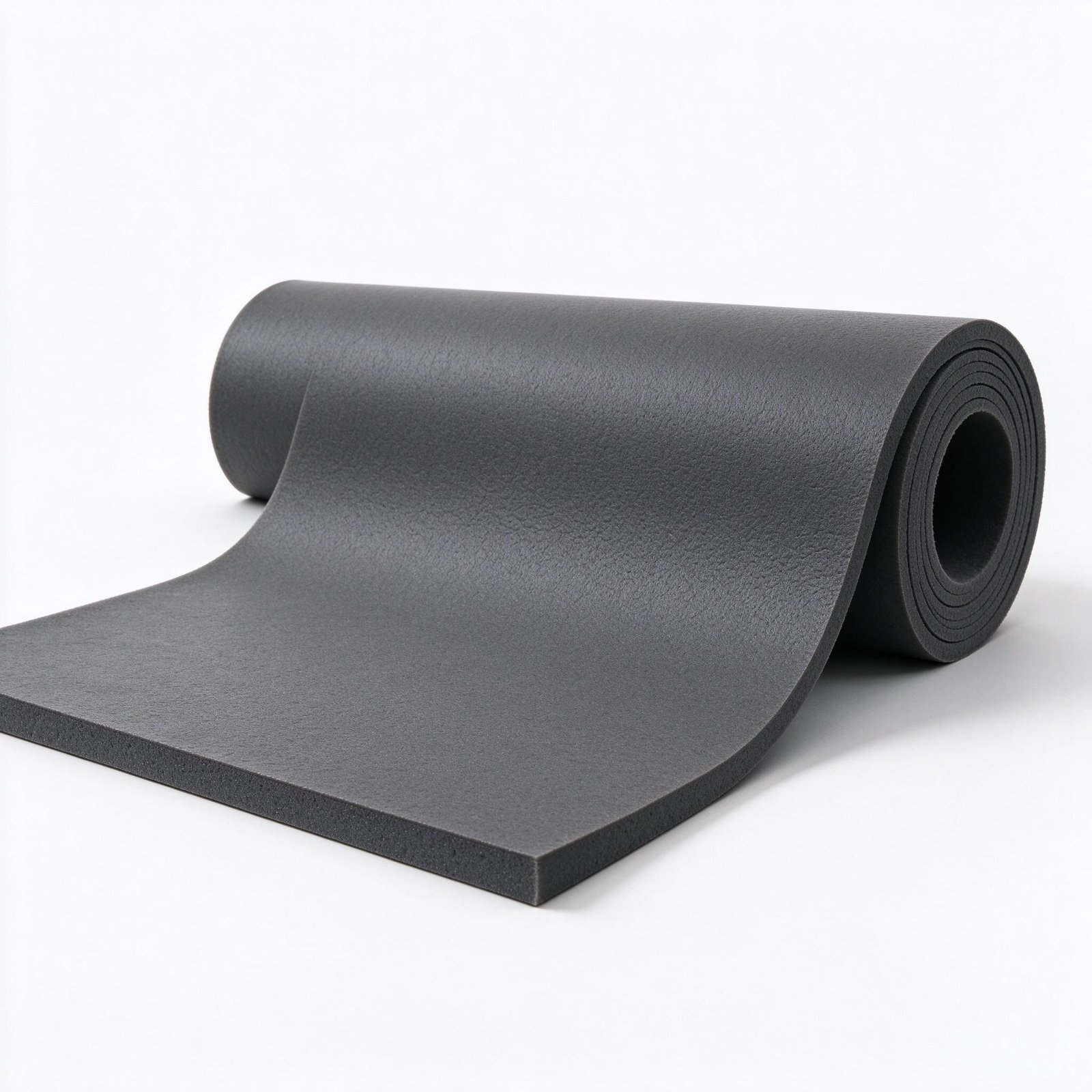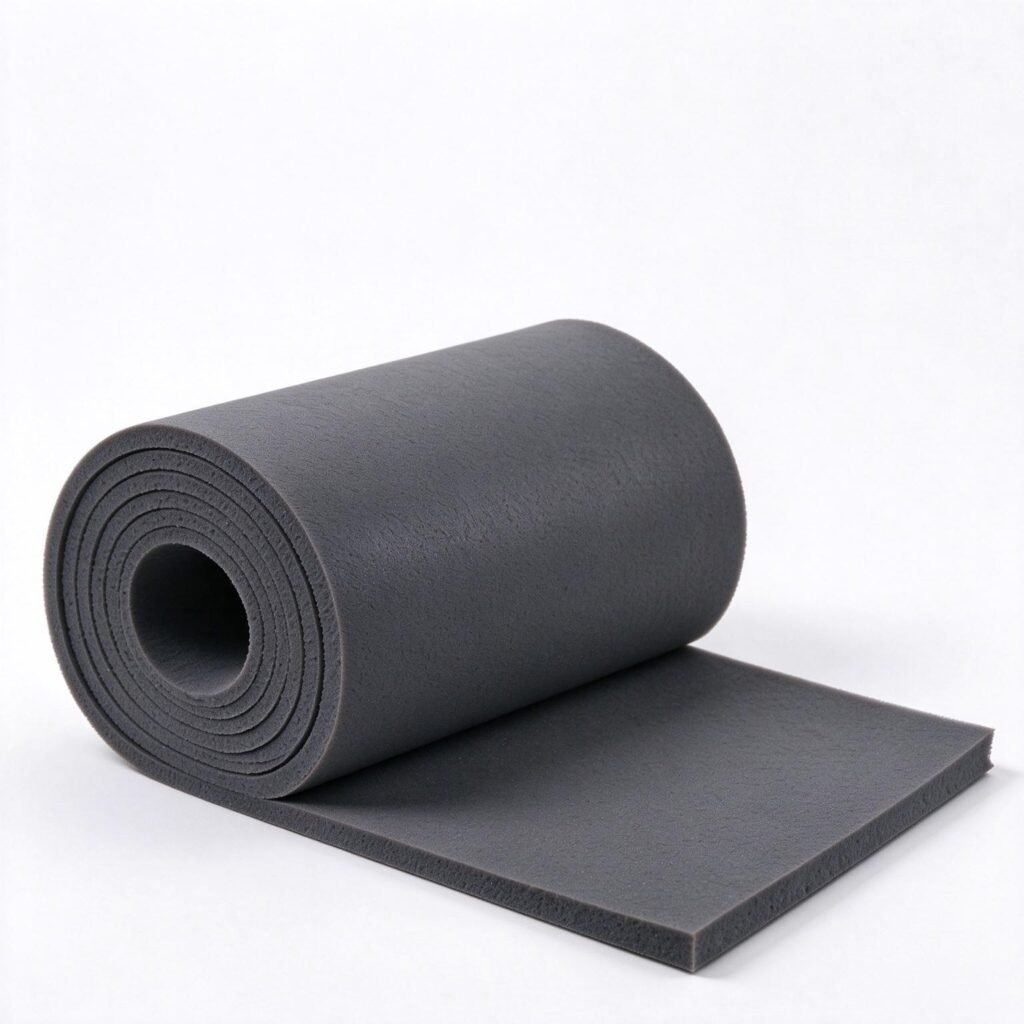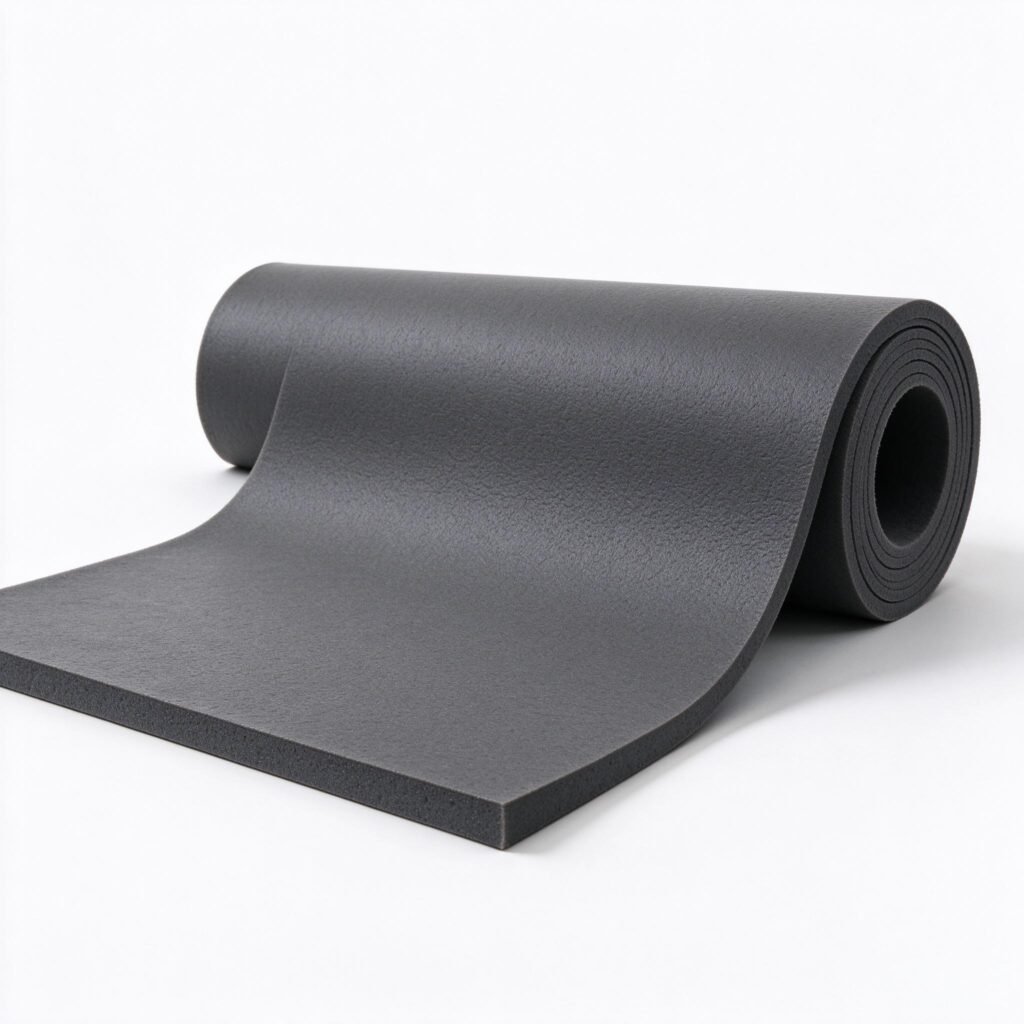
The global market for polyurethane rubber pads, a critical component in industrial vibration isolation and shock absorption, is forecast to grow from $222 million in 2025 to approximately $340 million by 2032, according to new market research. The projected compound annual growth rate of 6.3% reflects sustained demand from machinery manufacturing, rail transit, and automation sectors, alongside a broader shift toward high-performance elastomer formulations designed to withstand extreme operating conditions.
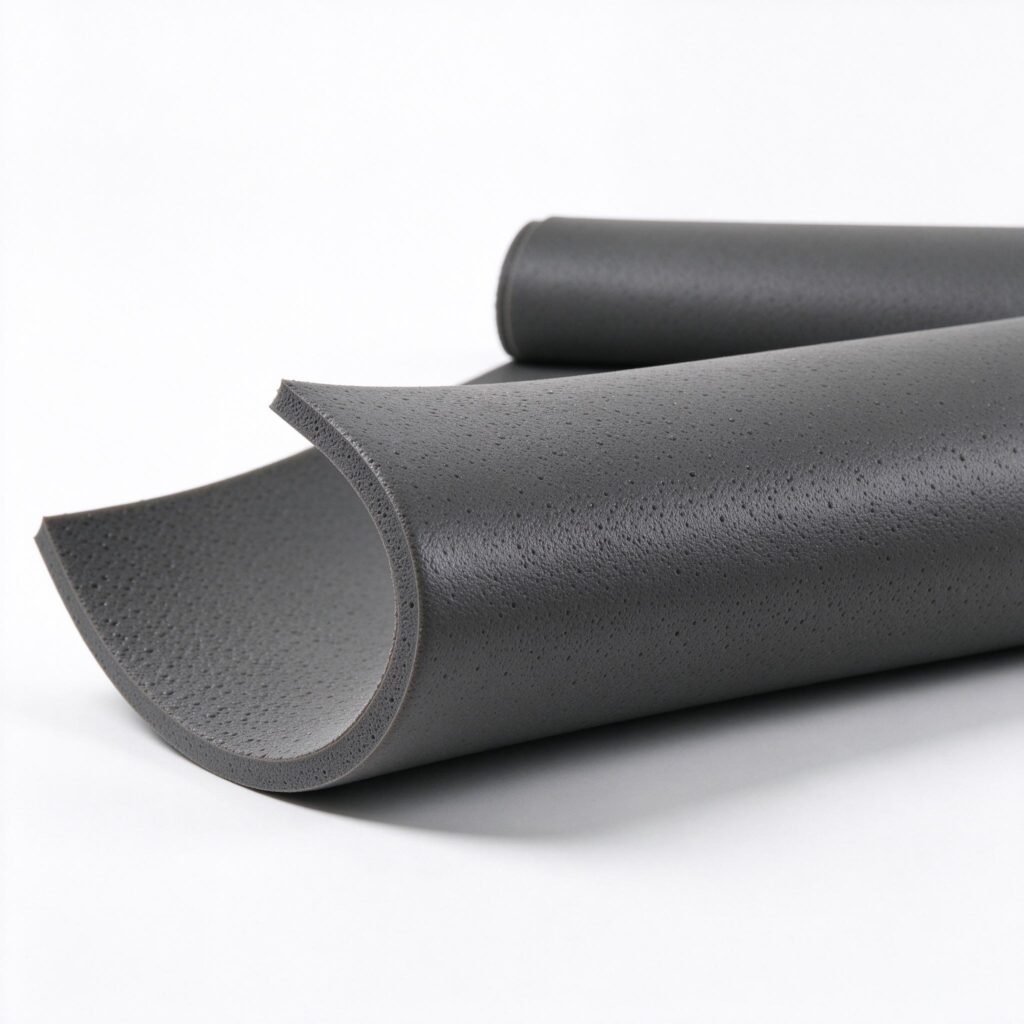
Polyurethane rubber pads are elastomer-based functional components produced through molding or casting processes. Their core value lies in the material’s unique combination of high elasticity and damping characteristics, which allow them to absorb vibrational energy, reduce impact loads, and curtail noise transmission in mechanical systems. In 2025, global sales volume reached 385 million units, with an average selling price of $0.58 per unit and an industry-wide gross margin of approximately 30% . These figures underscore the scale of a component that rarely receives attention but underpins the reliability of equipment ranging from excavators to subway tracks.
Material Advantages Drive Substitution
The growing preference for polyurethane over conventional rubber in vibration control applications stems from several performance attributes. Polyurethane elastomers offer tunable hardness, superior abrasion resistance, high load-bearing capacity, and resistance to oils and aging. Unlike natural rubber, which can degrade under sustained mechanical stress and exposure to industrial fluids, polyurethane pads maintain structural integrity in demanding environments. This has made them increasingly attractive for heavy machinery, where maintenance intervals are costly and downtime is unacceptable.
Recent product developments illustrate the direction of the market. In August 2026, Hyderman Rubber released an upgraded polyurethane sheet formulation designed for heavy abrasion and impact conditions, claiming wear resistance three to ten times higher than ordinary natural rubber. The material operates across a temperature range of -40°C to 90°C and resists swelling from industrial oils and dilute solvents . Such specifications address persistent pain points in sectors where equipment must function reliably in harsh conditions.
Rail and Infrastructure: A Key Growth Vector
The rail sector represents one of the more consequential applications for polyurethane pads. Austrian vibration isolation specialist Getzner Werkstoffe opened a new production facility in Baramati, India, in April 2026, dedicated to manufacturing polyurethane elastomer baseplate pads for slab-track railway systems. The pads, positioned between the rail rib plate and concrete slab, help distribute loads and reduce vibration transmission . The investment signals confidence in infrastructure-driven demand, particularly in Asia where urban rail networks continue to expand.
Getzner’s existing systems are already deployed in India’s Agra Metro, and the new plant complements the company’s production site in Kunshan, China. The decision to localize manufacturing near end markets reflects a broader pattern in the industry: as polyurethane pad specifications become more application-specific, suppliers are finding advantage in proximity to customers and shorter delivery routes.
Competitive Landscape and Regional Dynamics
The global market remains moderately fragmented. Leading suppliers include PSI Urethanes, Poly Labs, Getzner Werkstoffe, KRAIBURG, and Pleiger Plastics, with the top five producers collectively holding a significant but not dominant share . Competition is shaped less by price than by formulation consistency, certification breadth, and supply reliability. European and North American suppliers tend to focus on high-purity and specialty formulations with deep technical service, while Asia-Pacific manufacturers—particularly in China, India, and South Korea—dominate the low-to-mid range of standard functional grades .
China is both the largest consumption market and the largest manufacturing base, accounting for an estimated 35–40% of global consumption. The country’s massive machinery manufacturing and packaging sectors drive volume demand, while its export-oriented producers supply standard and mid-grade pads to Western markets . India is identified as a fast-growing market, with a projected CAGR exceeding 7% through 2035, fueled by infrastructure investment and automation adoption.
Outlook: Toward Longer Life and Customization
Industry analysis suggests the product trajectory is moving toward high-fatigue-resistance formulations, low-creep high-damping materials, and customized structural damping systems. Demand growth is expected to derive from shortened equipment replacement cycles, industrial automation upgrades, and the expansion of high-end equipment manufacturing . The commercial opportunity, particularly for domestic Chinese suppliers, lies in substituting imported high-performance damping materials and providing tailored vibration isolation solutions rather than commodity pads.
For an industry built on a seemingly simple product, the polyurethane rubber pad’s evolution reflects a broader truth about modern industrial systems: as equipment becomes more precise and operating conditions more demanding, the components that manage vibration and shock must advance in tandem. The 6.3% growth forecast may appear modest, but it represents a steady accumulation of demand from sectors where failure is not an option.