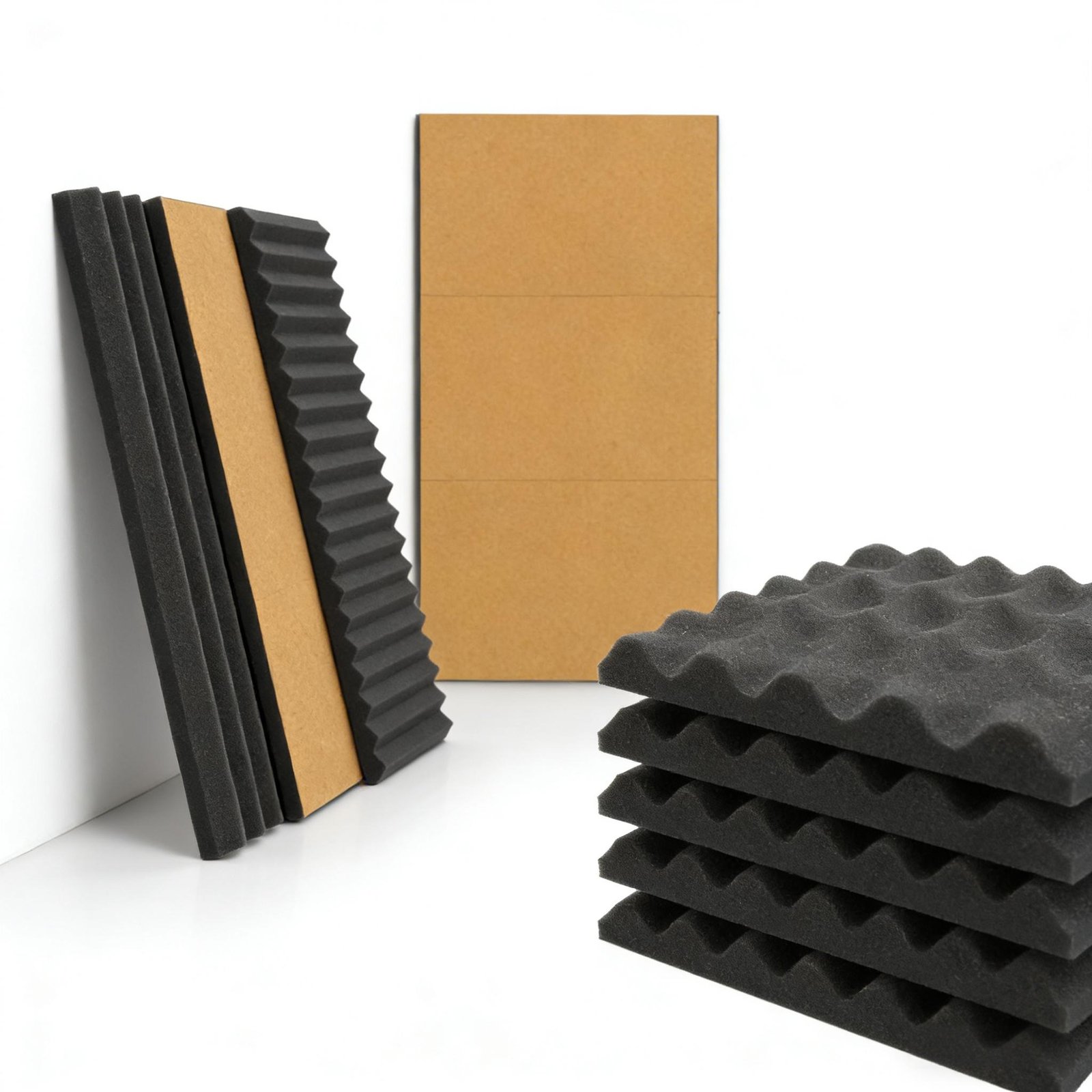
Once relegated to the sterile environments of recording studios and corporate boardrooms, acoustic panels are now undergoing a quiet revolution, emerging as indispensable elements of modern design, wellness, and productivity. Far from being mere industrial soundproofing tools, today’s acoustic solutions are sophisticated products that blend cutting-edge material science with aesthetic artistry, fundamentally transforming how we live, work, and heal. This evolution positions the acoustic panel industry at the forefront of creating healthier, more focused, and more humane built environments.
From Noise Control to Sonic Wellbeing
The traditional role of acoustic panels was straightforward: to absorb unwanted sound energy, reducing reverberation and noise levels. This remains a critical function, but the paradigm has dramatically expanded. The modern understanding is not simply about eliminating noise, but about curating sonic environments. Research has conclusively linked poor acoustics—characterized by excessive background noise and echo—to increased stress, reduced cognitive performance, impaired speech intelligibility, and overall decreased satisfaction.
“We’ve moved beyond the concept of noise as a mere nuisance,” explains Dr. Elena Reed, an architectural acoustics specialist. “We now understand sound as a tangible environmental pollutant that affects our physiological and psychological state. Modern acoustic design aims to create ‘acoustic comfort,’ a state where the sonic environment actively supports the intended use of a space—be it focused work, collaborative creativity, restful learning, or patient recovery.”
This shift has propelled acoustic panels from a technical afterthought to a core component of architectural planning in sectors from education and healthcare to hospitality and residential design.
Innovation in Form, Function, and Sustainability
The industry is responding with remarkable innovation across three key fronts: performance, design, and material composition.
-
Performance Intelligence: Panels are no longer generic. They are engineered with specific acoustic profiles. Broadband absorbers tackle a wide range of frequencies, while bass traps target low-frequency rumble. Diffusers scatter sound waves to eliminate harsh echoes without deadening a room, preserving a sense of acoustic “liveliness” essential in performance spaces. Furthermore, the integration of Active Noise Cancellation (ANC) technology into certain panel systems represents a futuristic leap, allowing for dynamic, electronic sound wave cancellation in real-time.
-
Aesthetic Integration: The era of beige fabric-wrapped rectangles is over. Acoustic panels are now design features. They come as elegant 3D geometric sculptures, customizable art panels that can display any digital print (from corporate branding to nature scenes), luxurious felt formations, and even translucent options that maintain light flow. They can be seamlessly integrated into ceilings as baffles and clouds, wrapped around columns, or used to create entire feature walls. This fusion of art and science allows architects to solve acoustic problems without compromising their visual vision.
-
Material Revolution: Sustainability is a major driver. The market is seeing a surge in panels made from recycled and natural materials. High-density recycled PET felt, made from plastic bottles, is popular for its excellent absorption and moldability. Panels constructed from mycelium (mushroom roots), organic wool, recycled denim, and compressed agricultural waste (like straw or seaweed) are gaining traction. These materials offer a low-carbon footprint, are often naturally non-toxic, and contribute to better indoor air quality—a key concern in green building certifications like WELL and LEED.
Sector-Specific Applications Driving Growth
The application of advanced acoustic solutions is creating tangible impact across diverse sectors:
-
The Modern Workplace: In open-plan offices, strategic placement of ceiling and wall panels is crucial to mitigate the “cacophony effect,” reducing distractions and supporting both focused work and clear communication in collaboration zones. Acoustic phone booth pods and meeting room linings are now standard in forward-thinking corporate campuses.
-
Education Reinvented: Schools and universities are prioritizing acoustics to enhance learning outcomes. Panels in classrooms improve speech clarity for students, reduce teacher vocal fatigue, and create calmer environments, especially beneficial for neurodiverse learners. Libraries and common areas use them to create zones of quiet concentration amidst bustling activity.
-
Healthcare and Healing: In hospitals and clinics, noise pollution is more than an annoyance; it impedes patient recovery. Acoustic panels in wards, waiting rooms, and corridors lower stress-inducing sound levels, contributing to a more healing environment. They are also vital in therapy rooms for speech pathology and mental health counseling, ensuring privacy and auditory clarity.
-
Hospitality and Residential: High-end restaurants use panels to dampen the clatter of kitchens and conversations, creating intimate dining experiences. Hotels employ them in lobbies, spas, and guest rooms to convey a sense of luxury and tranquility. In homes, they are increasingly popular in home theaters, noisy kitchens, open-living areas, and remote work nooks.
The Future: Smart and Adaptive Acoustics
The horizon points toward intelligent acoustic ecosystems. The next generation of panels may incorporate embedded sensors and microprocessors, allowing them to monitor room acoustics in real time and adjust their absorption properties dynamically. Imagine a conference room that automatically becomes more acoustically absorptive during a loud brainstorming session and slightly more reflective for a formal presentation.
In conclusion, acoustic panels have shed their purely utilitarian skin to become the silent architects of our experience. They are a powerful testament to how thoughtful design can address a fundamental human need—the need for sonic peace and clarity. As our world grows denser and noisier, the demand for these sophisticated solutions will only amplify, ensuring that the spaces we inhabit not only look beautiful but sound beautiful, too.